

If you live with Type 1 diabetes, you’ve probably had days where nothing makes sense.
You count your carbs.
You take your insulin.
You follow your routine.
And somehow… your blood sugar still does whatever it wants.
It’s frustrating. And at times, it can feel unmanageable.
I’ve been there more times than I can count and one thing I’ve learned is this:
Unpredictable blood sugar doesn’t always mean you’re doing something wrong.
When It Feels Like Nothing Works
There have been times where my first reaction is just pure frustration.
That feeling of:
“Here we go again… why is this not working?”
Sometimes it even feels unfixable in the moment.
One of the best ways I can describe it is:
“Insulin feels like water.”
No matter how much you take, it just doesn’t seem to do anything.
I’ve experienced this:
- When I’ve been ill (cold/flu)
- During stressful periods
- After eating foods like pasta or white rice
- And sometimes… just randomly
Using a simple food scale helped improve my carb accuracy – Link to food scale – here. Planning meals ahead makes things more predictable – Link to food containers – here
You do everything right, but your blood sugar still spikes or drops—and you’re left trying to figure out where you went wrong.
Why Blood Sugar Can Be So Unpredictable
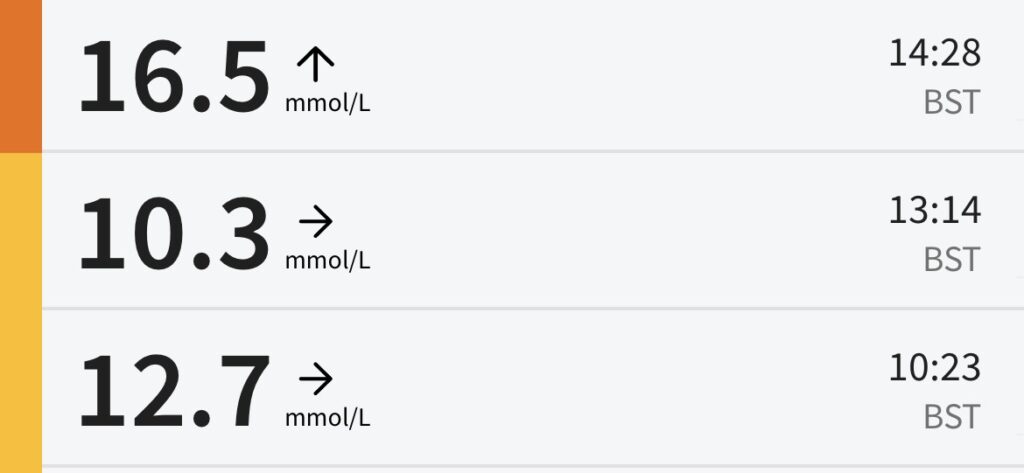
There are actually real reasons behind this.
According to guidance from organisations like NHS and Diabetes UK, blood sugar levels can be affected by far more than just food and insulin.
1. Illness
When you’re unwell, your body releases stress hormones that can increase blood sugar levels and reduce insulin effectiveness.
2. Stress
Even mental stress can cause spikes or unexpected drops.
(You can read more in my stress blog – here)
3. Food Absorption
Certain foods, especially high-carb meals like pasta or white rice can digest unpredictably, making it harder to match insulin timing.
(This ties into what I cover in my pre/post workout food blog – here)
4. Insulin Timing
Insulin doesn’t work instantly.
Most rapid-acting insulin can stay active in your body for up to 4–5 hours.
This is important.
Because sometimes the insulin is working… just not as fast as you want it to.
The Biggest Mistake: Overcorrecting
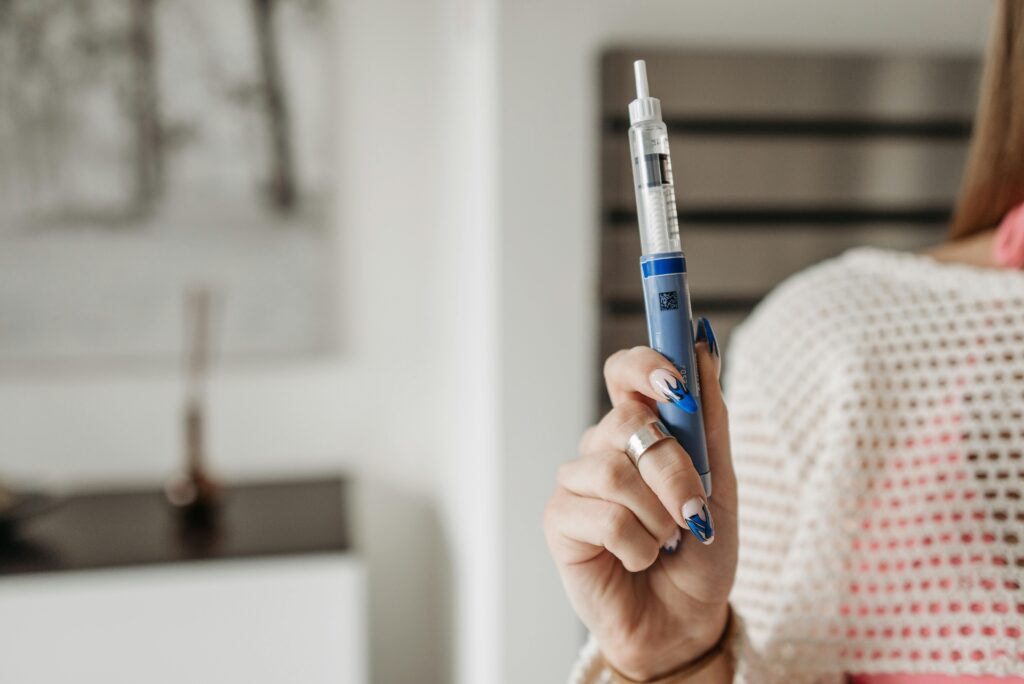
This is something I’ve learned the hard way.
When your blood sugar is rising fast, your instinct is to fix it immediately.
So you:
- Take more insulin
- Check again
- Still high
- Take more
Then suddenly…
You crash into a hypo.
Now you’re:
- Eating to fix the low
- Spiking again
- Repeating the cycle
This is where things spiral.
What Actually Helps (From Experience)

Over time, I’ve realised that control doesn’t come from reacting faster—it comes from reacting smarter.
1. Wait Before Overcorrecting
This is the hardest but most important one.
If you’ve already taken insulin:
Give it time to work
Rushing usually makes things worse.
2. Watch Trends, Not Just Numbers
Using something like the Freestyle Libre 2 helps massively here.
I personally use it daily to track trends
Check Libre 2 here
Instead of reacting to one reading:
- Watch the direction
- Look at the trend
This gives you better control
3. Double Check When Needed
If something feels off:
- Trust your body
- Do a finger prick
Sometimes tech isn’t perfect. Having a reliable glucose meter as back up is important.
Link Blood Glucose Monitor with Test Strips – here
4. Be Prepared for Lows
If things swing the other way, having quick sugar on hand is key.
This is something I cover properly in my snack guide:
Best snacks for low blood sugar
5. Adjust the Next Move (Not Just the Current One)
Instead of constantly reacting:
- Think ahead
- Adjust your next meal
- Learn from the pattern
Real-Life Situations Where This Happens

You’re not alone if you’ve experienced this during:
- Illness (everything goes out the window)
- Work stress
- After workouts
- Late at night
- Random days with no explanation
It happens.
And it doesn’t mean you’ve failed.
What I’ve Learned Over Time

This is the part I wish I understood earlier.
- Not every high needs immediate correction
- Not every low is your fault
- You don’t need to panic every time
Sometimes the best thing you can do is:
Stay calm and let the insulin do its job. Because the moment you start chasing numbers… That’s when things get messy.
Disclaimer
This is based on my personal experience living with Type 1 diabetes. Always consult your healthcare professional before making changes to your diabetes management.
This blog contains affiliate links which means I may earn a small commission if you make a purchase at no extra cost to you.