
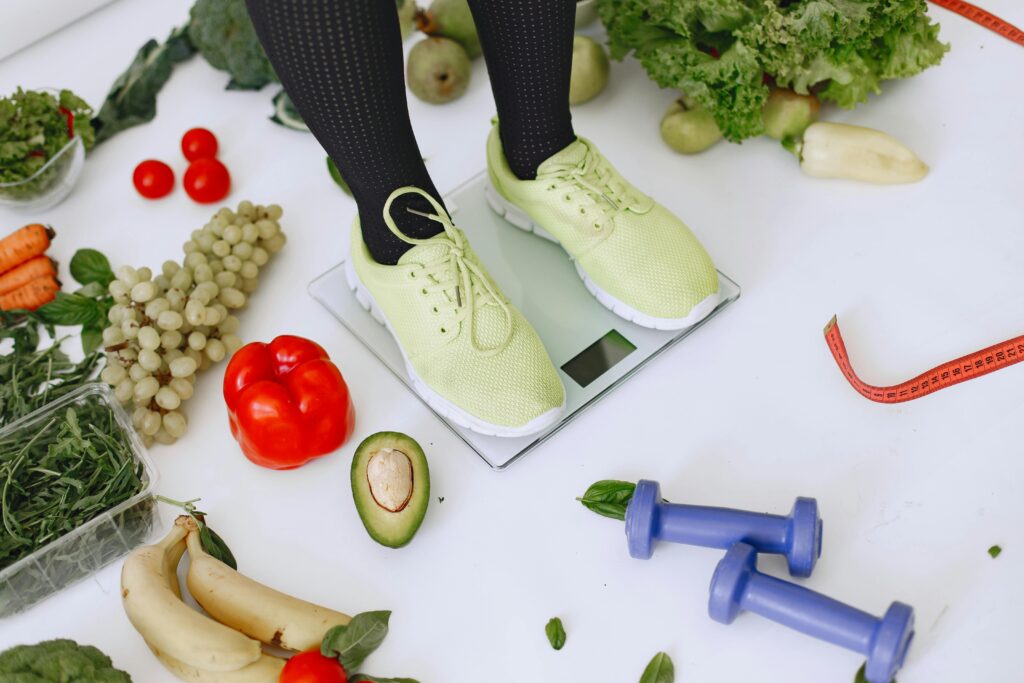
If you live with Type 1 diabetes, you’ll know that exercise isn’t just about fitness, it’s about control. One workout can leave your blood sugar completely stable, while another can send it crashing or spiking without much warning.
For me, learning what to eat before and after exercise has been one of the biggest factors in improving both my performance and my blood sugar management. It hasn’t been perfect, and it definitely hasn’t been textbook but through trial, error, and consistency, I’ve found what works.
This guide is built around real experience, backed by science, and designed to help you avoid the same mistakes I made early on.
How Exercise Actually Affects Blood Sugar

Not all workouts affect your body the same way.
From my own experience, high-intensity workouts like running or using the rowing machine tend to drop my blood sugar much faster. On the other hand, more steady exercises like walking or controlled weight training are far more predictable and easier to manage.
This isn’t just personal, it’s backed by research. Studies from organizations like the American Diabetes Association show that aerobic exercise typically lowers blood glucose, while high-intensity or resistance training can sometimes cause temporary spikes due to stress hormones like adrenaline.
That’s why what you eat and when you eat matters so much.
What I Eat Before a Workout (And Why It Works)
Planning ahead has made a huge difference for me.
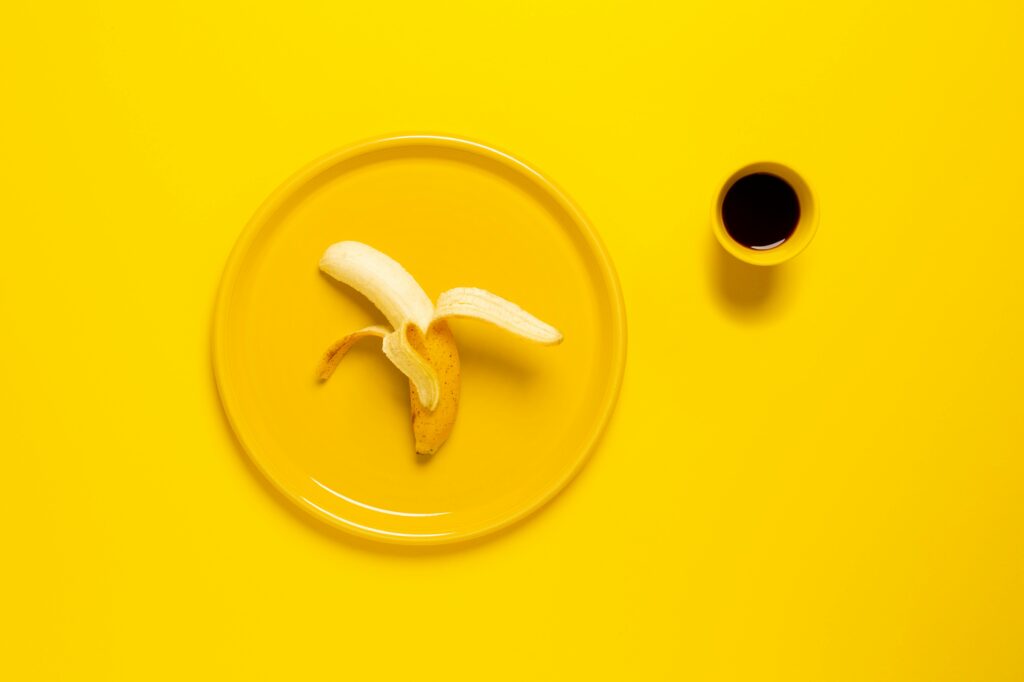
If I’m training in the morning, especially before a full meal, I usually keep things simple. A banana is my go-to because it gives me quick, digestible carbs without feeling too heavy. I’ll often pair that with a black coffee, sometimes with a small amount of sugar if I feel like my levels need a bit more stability.
The goal here isn’t to overload on food, it’s to give your body just enough fuel to avoid a sudden drop once you start moving.
One mistake I used to make was taking too much insulin before a workout. That combination, insulin on board plus exercise almost always led to a crash. Now, I try to predict how active I’m going to be and adjust my insulin accordingly.
It’s not always perfect, but over time, you start to understand your own patterns.
What Happens After Exercise (And Why It Matters More Than You Think)
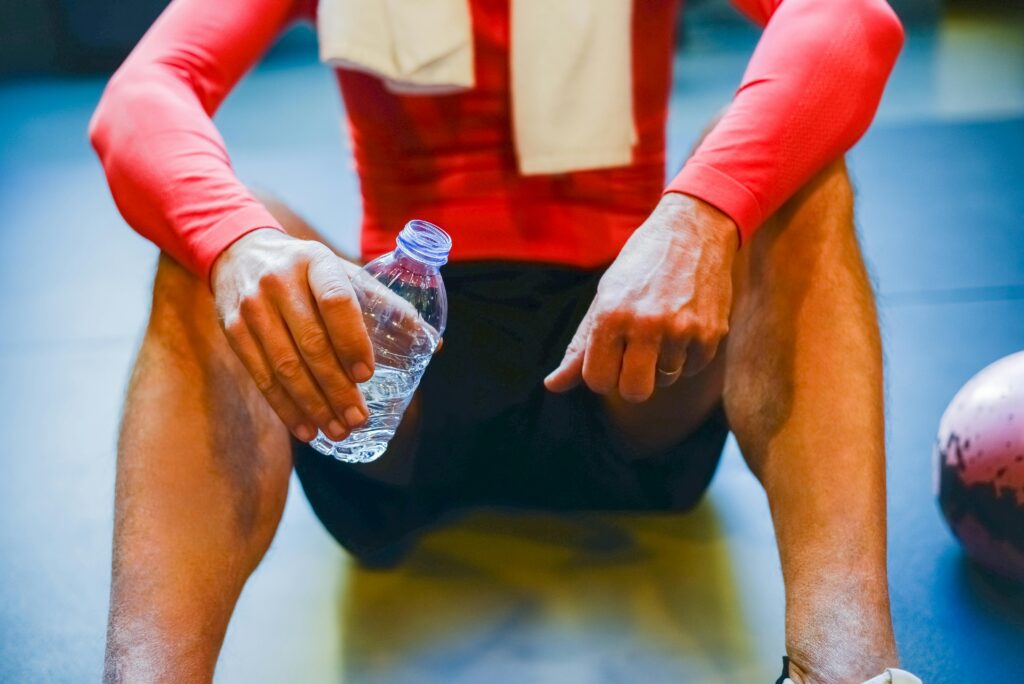
Post-workout is where things can get tricky.
A lot of people focus on avoiding lows during exercise, but I’ve found that the real challenge often comes after. Your body becomes more insulin sensitive, which means your blood sugar can drop later, even if everything felt fine during the session.
To manage this, I make sure I eat carbs after training to stabilise my levels. I don’t overcomplicate it, I just something that helps bring things back to a steady range.
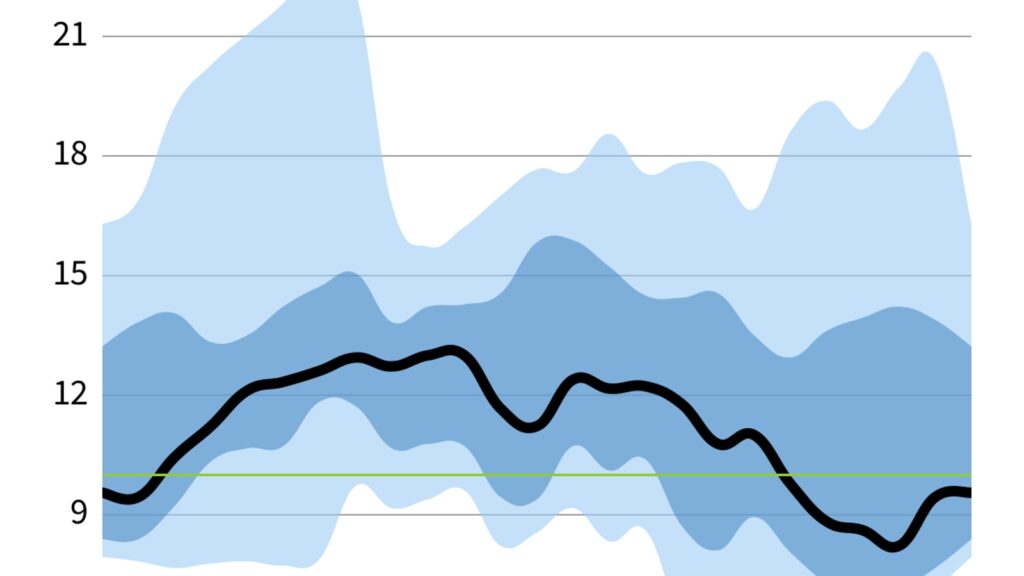
Tracking this consistently has been key. Using something like the FreeStyle Libre 2 makes it much easier to spot patterns and catch trends early before they become problems.
The Role of Routine and Tracking
One thing that’s helped me massively is sticking to a routine.
I track my progress weekly with photos and weigh-ins with a smart scale, always on the same day, and I log my workouts in a journal. That way, I can see not just how my body is changing but also how my strength and performance are improving.
This consistency also helps with blood sugar management. When your routine is stable, your results become more predictable and that’s a huge advantage when you’re dealing with Type 1 diabetes.
Managing the Unexpected: Stress, Intensity, and Spikes

Something that doesn’t get talked about enough is how stress, even positive stress affects blood sugar.
I’ve noticed that things like competitive sports, intense gym sessions, or even being highly focused can cause my levels to rise. It’s not always about food sometimes it’s just how your body responds.
When that happens, I try to zoom out and look at the bigger picture. Reminding myself to stay calm, listening to music, or even just taking a moment to reset can make a difference.
It’s not just physical, it’s mental too.
A Simple System That Works for Me

Over time, I’ve built a simple approach that works:
Before training, I fuel lightly and avoid overcorrecting with insulin. During training, I stay aware of how I feel rather than relying purely on numbers. After training, I refuel properly and keep an eye on delayed drops.
It’s not perfect, but it’s consistent and that’s what matters most.
Helpful Tools That Make Life Easier
Managing all of this without the right tools is tough.
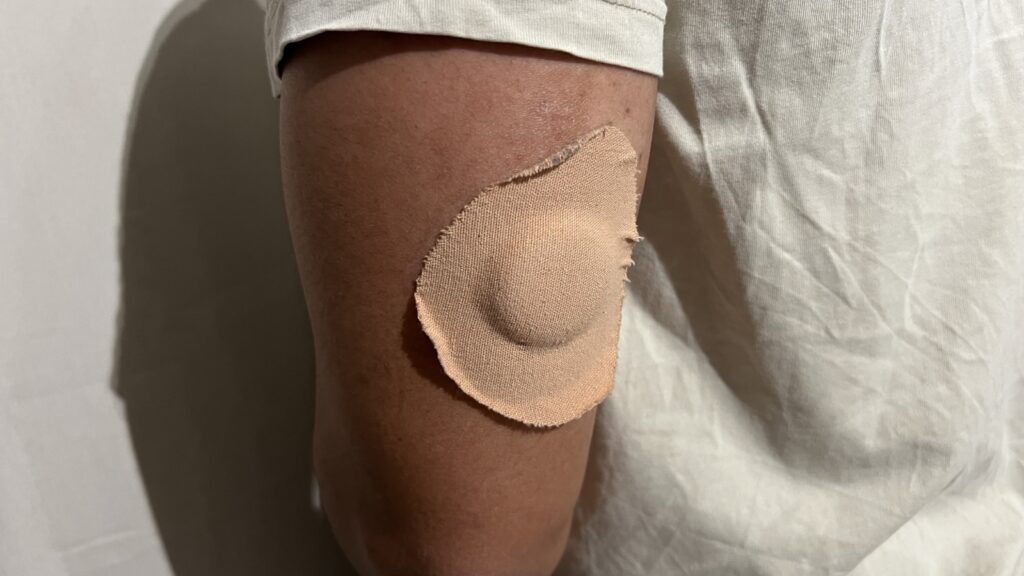
A continuous glucose monitor is a game-changer but even small additions can help. For example, keeping your sensor secure during workouts is something people often overlook. Adhesive patches like the ones I use help keep everything in place, especially during intense sessions or when you’re sweating.
It’s a small thing, but it removes one more variable you don’t have to worry about.
Final Thoughts
If there’s one thing I’ve learned, it’s that there’s no one-size-fits-all approach.
What works for me might not work exactly the same for you but the process is the same. Track your data, stay consistent and make small adjustments over time.
If you’re just starting out, don’t overthink it. Focus on building a routine, learning your body, and staying patient.
Because once things start to click, managing your blood sugar around exercise becomes a lot less stressful and a lot more predictable.
Disclaimer
This is based on my personal experience living with Type 1 diabetes. Always consult your healthcare professional before making changes to your diabetes management.
This blog contains affiliate links which means I may earn a small commission if you make a purchase at no extra cost to you.