

Have you ever taken your usual insulin dose…
…only for your blood sugar to drop much faster than you expected?
It can be confusing, especially if you haven’t changed what you’ve eaten or how much insulin you’ve taken.
One thing I’ve learned with Type 1 diabetes is that insulin sensitivity isn’t the same every day.
Some days your body seems to need more insulin.
Other days, the exact same dose feels much stronger.
Understanding what can affect insulin sensitivity has helped me stop blaming myself every time my blood sugars behave differently.
What Is Insulin Sensitivity?
Insulin sensitivity simply refers to how well your body responds to insulin.
When you’re more insulin sensitive, smaller amounts of insulin may have a greater effect.
When you’re less sensitive, you may need more insulin to achieve the same result.
This is completely normal and can change from day to day.
Exercise Can Increase Insulin Sensitivity
One of the biggest influences is physical activity.
Even something as simple as a brisk walk can make your body more responsive to insulin.
I’ve found that on more active days, I need to pay closer attention to my blood sugar because things can change more quickly than expected.
Related reading:
Blog – Best Types Of Exercise For Type 1 Diabetes
Blog – Why Walking After Meals Can Help Blood Sugar Levels
Warm Weather
Hot weather can also make a difference.
Many people notice insulin seems to work faster during warmer days, although everyone’s experience is different.
That’s one reason I try to keep an extra eye on my Libre during summer.
Related reading:
Blog – Can Heat And Hot Weather Raise Blood Sugar?
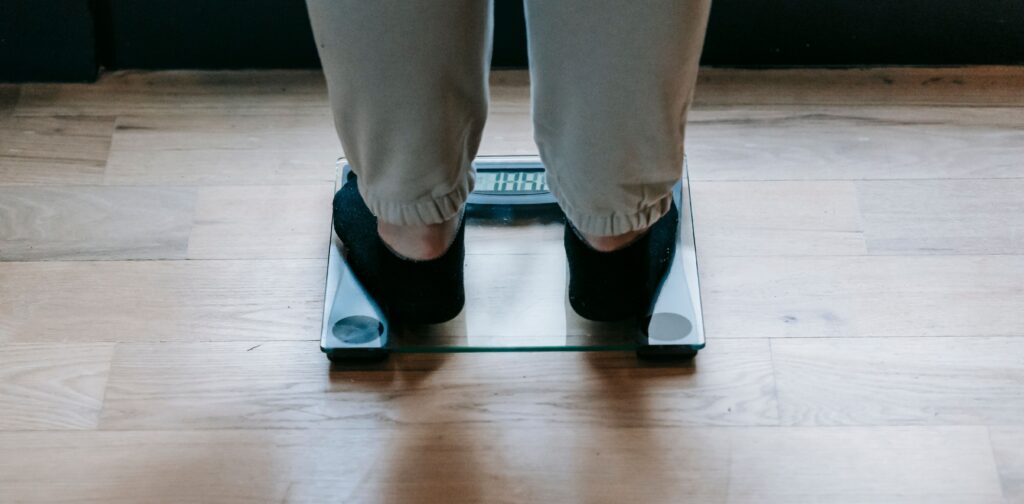
Weight Changes
Losing or gaining weight may affect how much insulin your body needs over time.
It’s another reminder that diabetes management isn’t static.
Stress Can Reduce Sensitivity
Stress hormones such as cortisol can make your body more resistant to insulin.
That’s why stressful periods often seem to bring more stubborn high blood sugars.
Related reading:
Blog – How Stress Affects Blood Sugar Levels And How To Control It
Sleep Matters Too
Poor sleep doesn’t just make you feel tired.
It may also reduce insulin sensitivity, making blood sugar management more challenging the next day.
Related reading:
Blog – Type 1 Diabetes And Sleep: Why It Matters More Than You Think
Illness
When you’re unwell, your body often releases extra stress hormones to help fight infection.
This can increase insulin resistance and make blood sugars run higher than usual.
How I Deal With Changing Insulin Sensitivity
One of the biggest mindset changes for me was accepting that diabetes isn’t perfectly predictable.
Instead of assuming something has gone wrong, I now look at the bigger picture.
I ask myself:
- Have I been more active?
- Am I stressed?
- Did I sleep well?
- Is the weather much hotter than usual?
- Am I coming down with an illness?
Looking for patterns has helped me make calmer decisions instead of reacting to every single reading.
Helpful Products
Staying hydrated is important, especially during exercise and hot weather.
Useful for keeping track of daily activity and spotting patterns.

Recording blood sugar trends can make it easier to identify changes in insulin sensitivity.
Frequently Asked Questions
Why am I suddenly more sensitive to insulin?
Common reasons include increased exercise, warmer weather, weight changes and improved overall health.
Can exercise make insulin work better?
Yes. Physical activity often increases insulin sensitivity, which may reduce insulin requirements.
Does stress affect insulin sensitivity?
Yes. Stress hormones can make your body less responsive to insulin.
Why do my insulin needs change from day to day?
Many factors influence insulin sensitivity, including activity, sleep, illness, hormones, stress and temperature.
Final Thoughts
One of the hardest parts of living with Type 1 diabetes is accepting that your body doesn’t always respond the same way every day.
That doesn’t mean you’re doing anything wrong.
It simply means your insulin needs are influenced by far more than just food.
The more you understand those influences, the easier it becomes to spot patterns and make informed decisions with confidence.
Disclaimer
This is based on my personal experience living with Type 1 diabetes. Always consult your healthcare professional before making changes to your diabetes management.
This blog contains affiliate links which means I may earn a small commission if you make a purchase at no extra cost to you.
This article is based on my personal experience living with Type 1 diabetes. Always consult your healthcare professional before making changes to your routine.