
When people think about exercise and Type 1 diabetes, they often picture:
- the gym
- running
- cycling
- intense workouts
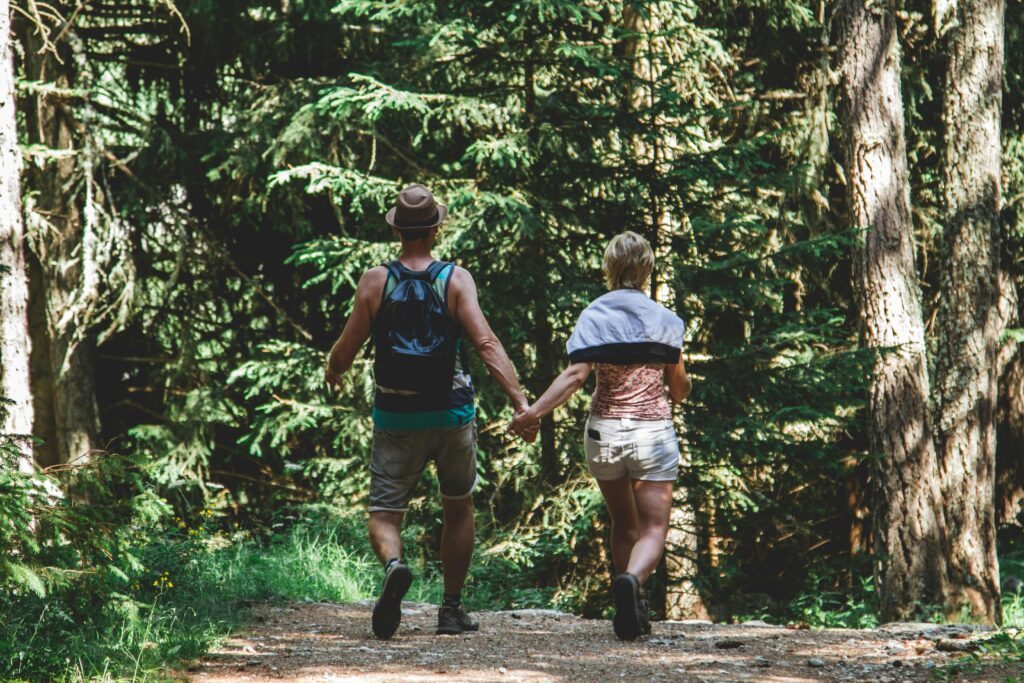
But one of the simplest habits that may help blood sugar levels doesn’t require any special equipment at all.
Walking.
In fact, research has shown that light activity after eating can help reduce blood sugar spikes by encouraging your muscles to use glucose for energy.
It’s simple, free and something most people can fit into their day.
Why Blood Sugar Often Rises After Meals
After eating carbohydrates, your body breaks them down into glucose which enters the bloodstream.
For people without diabetes, insulin is released automatically to help move that glucose into cells.
With Type 1 diabetes, we rely on injected insulin to do the same job.
Even when carb counting is accurate, blood sugar can sometimes rise higher than expected after meals.
That’s why many people look for additional ways to improve post-meal control.
How Walking Helps
When you walk, your muscles require energy.
One of the main fuels your muscles use is glucose.
As your muscles become active, they pull glucose from the bloodstream which can help lower blood sugar levels.
Walking may also improve insulin sensitivity, meaning your body can use insulin more effectively.
This is one reason many diabetes specialists encourage regular physical activity as part of overall blood sugar management.
Why Walking Is Often Better Than Doing Nothing
You don’t need to complete a tough workout after every meal.
Studies have found that even light activity after eating may help reduce post-meal glucose spikes compared with remaining completely sedentary.
The key isn’t intensity.
It’s movement.
Even a short walk around the block can be beneficial.
How Long Should You Walk?
There is no perfect answer.
Many people aim for:
- 10 minutes
- 15 minutes
- 20 minutes
after meals.
The goal isn’t to burn huge amounts of calories.
The goal is simply to get moving.
Consistency is usually more important than duration.
Other Benefits Beyond Blood Sugar
Walking can also help with:
- stress management
- cardiovascular health
- energy levels
- sleep quality
- weight management
For many people, it’s one of the easiest forms of exercise to maintain long term.

Related reading:
Blog – Best Types Of Exercise For Type 1 Diabetes
Things To Be Aware Of
As with any form of exercise, everyone responds differently.
Some people may notice:
- falling blood sugars
- delayed lows
- little change at all
Factors such as:
- insulin on board
- meal size
- fitness level
- time of day
can all influence the result.
This is why it’s useful to monitor your own patterns rather than relying on general advice alone.
What I’ve Learned About Diabetes
One thing Type 1 diabetes teaches you quickly is that there are very few universal rules.
What works brilliantly for one person may not work the same way for another.
Walking isn’t a magic solution.
But it’s one of the simplest habits you can experiment with safely and consistently.
Sometimes the biggest improvements come from small habits repeated every day.
Related reading:
Blog – Why Your Blood Sugar Spikes Even When You Do Everything Right
Blog – Daily Habits That Help Keep Blood Sugar Stable
Useful Products
These products won’t lower blood sugar by themselves, but they may help support a more active lifestyle.
Tracking daily steps can help build consistency.
Affiliate opportunity.
Staying hydrated is important during physical activity.
Comfortable footwear makes regular walking much easier.
Frequently Asked Questions
Is walking after meals good for Type 1 diabetes?
Many people find that walking after meals helps reduce post-meal blood sugar spikes and improves overall glucose control.
How long should I walk after eating?
Even 10–20 minutes may be beneficial.
Consistency is often more important than duration.
Can walking cause low blood sugar?
Yes, it can for some people.
It’s important to monitor your blood sugar and learn how your body responds.
Is walking better than running for blood sugar control?
Not necessarily.
Both can be useful.
Walking is simply easier for many people to perform consistently.
Final Thoughts
When it comes to Type 1 diabetes, it’s easy to look for complicated solutions.
Sometimes the simplest habits are worth trying first.
Walking after meals is free, accessible and supported by research.
It won’t eliminate blood sugar spikes completely, but it may help improve glucose control while providing a range of other health benefits.
And unlike many health trends, it doesn’t require a subscription, special equipment or a complete lifestyle overhaul.
Just a comfortable pair of shoes and a bit of consistency.
Disclaimer
This is based on my personal experience living with Type 1 diabetes. Always consult your healthcare professional before making changes to your diabetes management.
This blog contains affiliate links which means I may earn a small commission if you make a purchase at no extra cost to you.
This article is based on my personal experience living with Type 1 diabetes. Always consult your healthcare professional before making changes to your routine.