
Struggling with your CGM falling off? Learn real-life reasons why it happens and simple, practical ways to keep it secure for longer
If you use a CGM, you’ll know how frustrating it is when it falls off.
It doesn’t always happen during exercise or sweating. It can happen during completely normal day-to-day life.
For me, it’s usually been something simple like being a bit clumsy, brushing past a door, or catching it on clothing without even realising.
One moment it’s fine… the next it’s gone.
And when you rely on it daily, that’s when it becomes stressful.

WHY CGMs FALL OFF
Most people think it’s just sweat or water, but in reality it’s usually:
- Catching it on clothing or doors
- Movement during work or daily tasks
- Adhesive weakening over time
- Placement in high-friction areas
- General wear and tear
Most of the time, it’s not one big mistake, it’s small everyday contact that adds up.
WHAT I CHANGED THAT HELPED
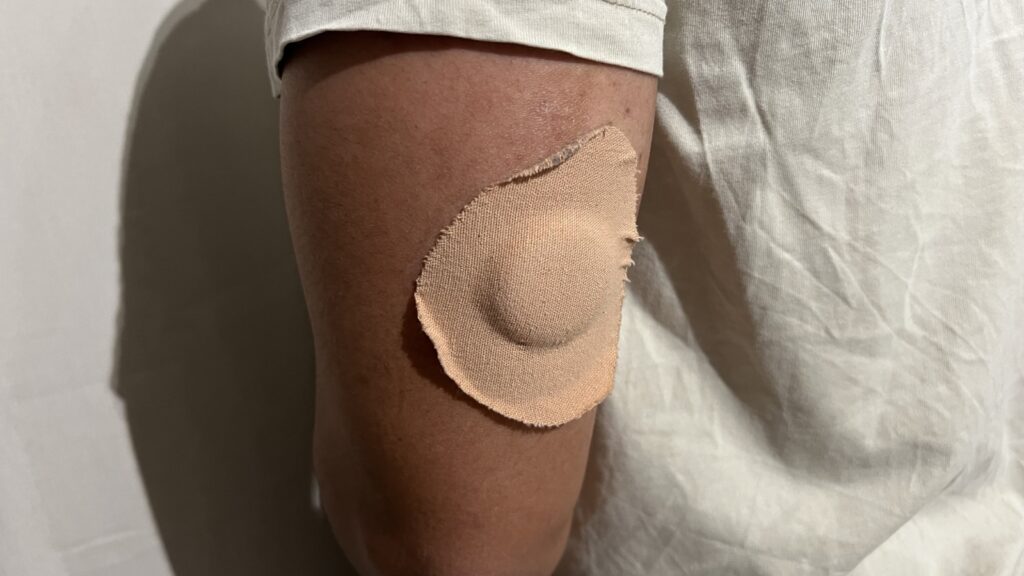
1. Adhesive patches made the biggest difference
Once I started using adhesive patches over the CGM, it made a huge difference in how long it stayed on.
They add an extra layer of security so it’s not just relying on the original adhesive.
 LINK – CGM adhesive patches LIBRE – LINK – CGM adhesive patches DEXCOM
2. Being more careful with placement
I became more aware of where I was placing it.
Avoiding areas that get knocked or rubbed made it far more reliable.
Small change but it works.
A QUICK WORD ON CGM STRAPS
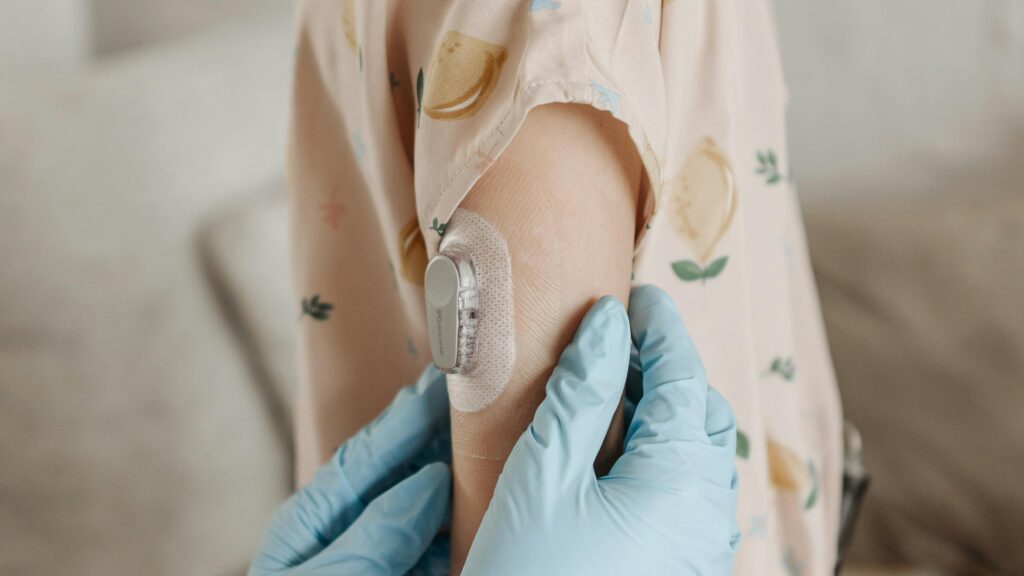
You might have seen CGM straps or armbands being recommended online.
But recently, in a Libre community group, a warning was shared about them:
“Anyone now posting or recommending the straps will be suspended… I’ve seen the worst these can do including ulcers, skin rashes, and discolouration from slowing circulation… even Abbott do not recommend them…”
That stuck with me.
While straps might seem like a solution, there are concerns around:
- Skin irritation
- Circulation restriction
- Actually dislodging sensors
Personally, I’d stick to lighter solutions like patches rather than anything restrictive.
SMALL HABITS THAT HELP
Even without products, small habits matter:
- Being aware when getting dressed
- Avoiding tight clothing rubbing over the sensor
- Thinking about placement before work or activity
- Checking it during the day
It’s not about being perfect, it’s about reducing risk.
SIMPLE THINGS THAT HELP
These aren’t essential, but they can make things easier:
CGM Adhesive Patches
Extra support to stop it falling off early
LINK – CGM adhesive patches LIBRE – LINK – CGM adhesive patches DEXCOM
Skin Prep / Barrier Wipes
Helps the sensor stick better to your skin
Adhesive Removal Spray (optional upgrade)
Experience hassle-free adhesive removal
LINK – Adhesive Removal Spray
WHEN IT GOES WRONG
One of the most frustrating situations for me was when my CGM fell off right at the start of a workday.
I got to work and realised I had no readings for the rest of the day.
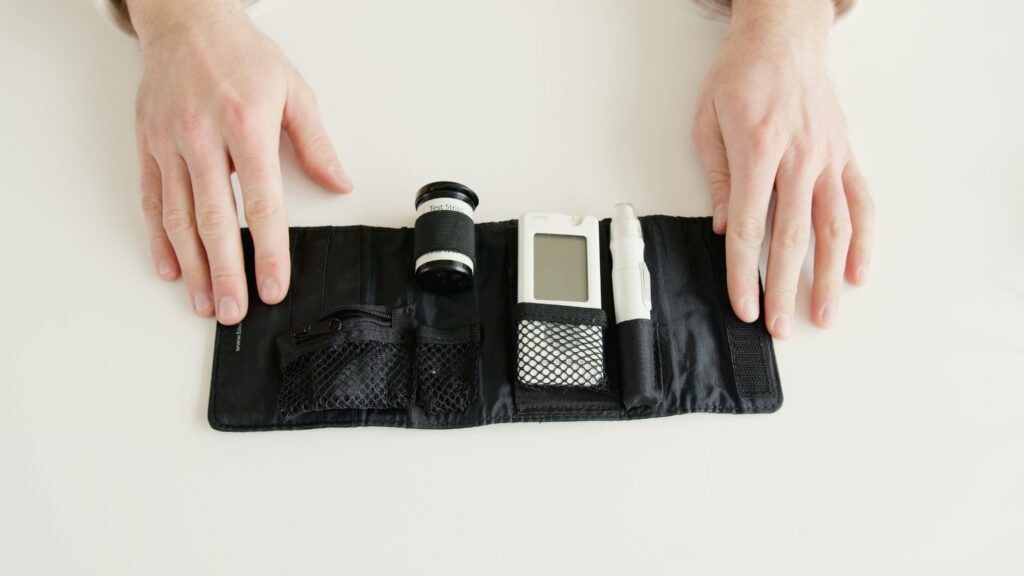
I didn’t even have a proper finger-prick backup kit on me, so I was basically guessing.
That’s when it becomes stressful:
- You lose confidence in your levels
- You’re second-guessing everything
- You feel more anxious about highs and lows
- And you know you’ll have to replace it again
It throws your whole routine off.
RELATED BLOGS
If you’re dealing with related issues, these might help:
FINAL THOUGHT
When your CGM falls off, it feels like a small thing but it can disrupt your whole day.
For me, the biggest improvements came from:
- Using adhesive patches
- Being smarter with placement
- Avoiding everyday knocks
Simple changes but they make a real difference.
Disclaimer
This is based on my personal experience living with Type 1 diabetes. Always consult your healthcare professional before making changes to your diabetes management.
This blog contains affiliate links which means I may earn a small commission if you make a purchase at no extra cost to you.