What to Eat When Blood Sugar Goes Low (Type 1 Diabetes Guide)
Low blood sugar is one of the most unpredictable parts of living with Type 1 diabetes.
One minute you feel completely fine, and the next you get that strange, sinking feeling. Your energy drops, your focus disappears and if you’re in public or at work, it can feel like you’re losing control.
For me, that’s the worst part. Not just the physical symptoms, but the pressure of trying to deal with it quickly and discreetly.
Over time, I’ve realised something simple:
The snacks you choose during a hypo can either fix the problem fast or make it drag out longer than it needs to.
My Experience With Low Blood Sugar
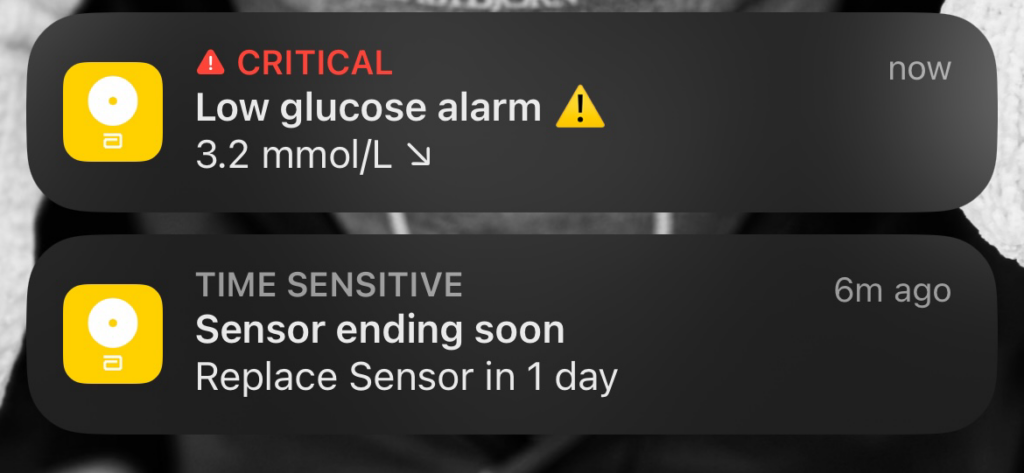
I’ve had more low blood sugar episodes than I can count.
They usually start with that weird feeling most Type 1 diabetics recognise straight away, like your body is warning you something’s off.
Recently, I was at home and felt my levels dropping quickly. I didn’t hesitate. I took some glucose tablets and followed it up with a slice of jam on toast.
That worked well:
- The glucose tablets kicked in quickly
- The toast helped stabilise things after
But not every hypo goes like that.
There have been times where my levels were dropping so fast that even after eating carbs, it still felt like things were getting worse. That’s when it’s easy to panic and keep eating more and more, just trying to feel normal again.
If you’ve ever done that, you’re not alone.
How to Treat a Hypo Properly (Backed by Guidance)
According to NHS and Diabetes UK, the general recommendation is:
- Take 15–20g of fast-acting carbohydrates
- Wait 10–15 minutes
- Recheck your blood sugar
- Repeat if needed
From experience, this advice is spot on but only if you use the right type of carbs.
Best Snacks for Low Blood Sugar (What Actually Works)
This isn’t a random list. These are things I’ve actually used and what I’ve learned from them.
Glucose Tablets (Most Reliable Option)
This is my go-to every single time.
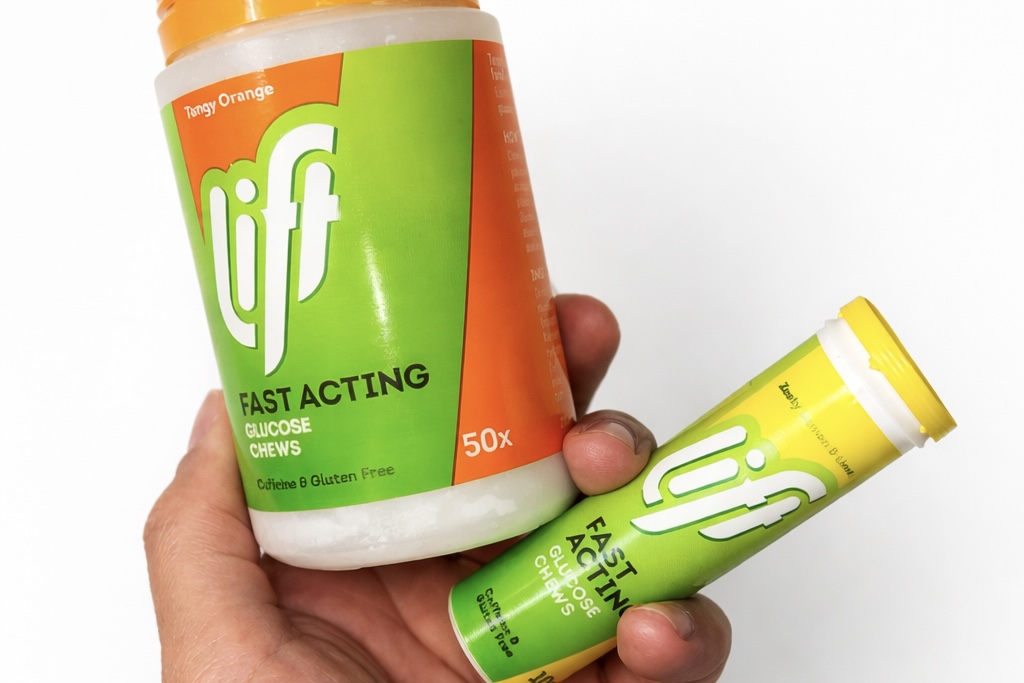
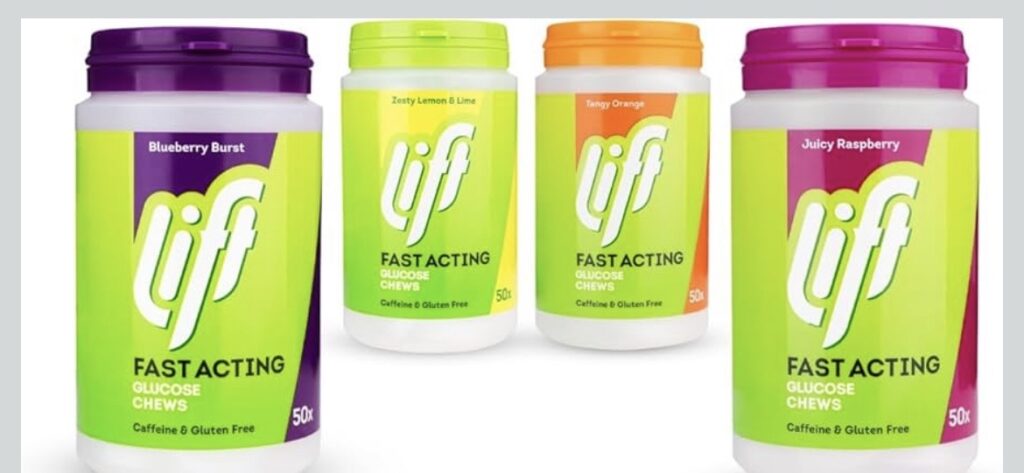
I personally use Lift tabs and buy them in bulk (packs of 50), then spread them across my daily life:
- Work bag
- Gym bag
- Car
- Bedside
They also come in smaller tubes of 10, which are perfect when you’re short on space.
A small tip that’s saved me money:
I reuse the small tubes and refill them from the bigger packs. It works out much cheaper and keeps things convenient.
Why they work so well:
- Fast-acting
- Easy to dose properly
- Consistent every time
If you’re serious about staying in control, this is the one thing you shouldn’t leave the house without.
Available here 6 Pack of 50 pack & 12 Pack of 10!
Bananas (Simple & Natural)
Bananas are something I use occasionally.
They’re:
- Cheap
- Natural
- Easy to grab
But they come with downsides.
They bruise easily, can go off quickly, and if you’re dealing with multiple hypos, they’re just not practical to carry around.
They’re a good backup but not something I rely on daily.
Energy Gels (Underrated but Effective)
I’ve also used products like Science in Sport GO Energy + Electrolyte Gel.
These are actually very effective for treating a low:
- Quickly absorbed
- Easy to carry
- Great for gym or work situations
They’re not as commonly talked about but they’re a solid alternative if you want something different from tablets.
Juice & Sugary Drinks
These can work fast but I don’t rely on them much.
A lot of sports drinks and fizzy drinks contain caffeine or other additives. Personally, I don’t want that when I’m just trying to fix a hypo.
It does the job but it’s not ideal.
What to Avoid During a Low Blood Sugar Episode
One of the biggest mistakes people make is reaching for the wrong type of food.
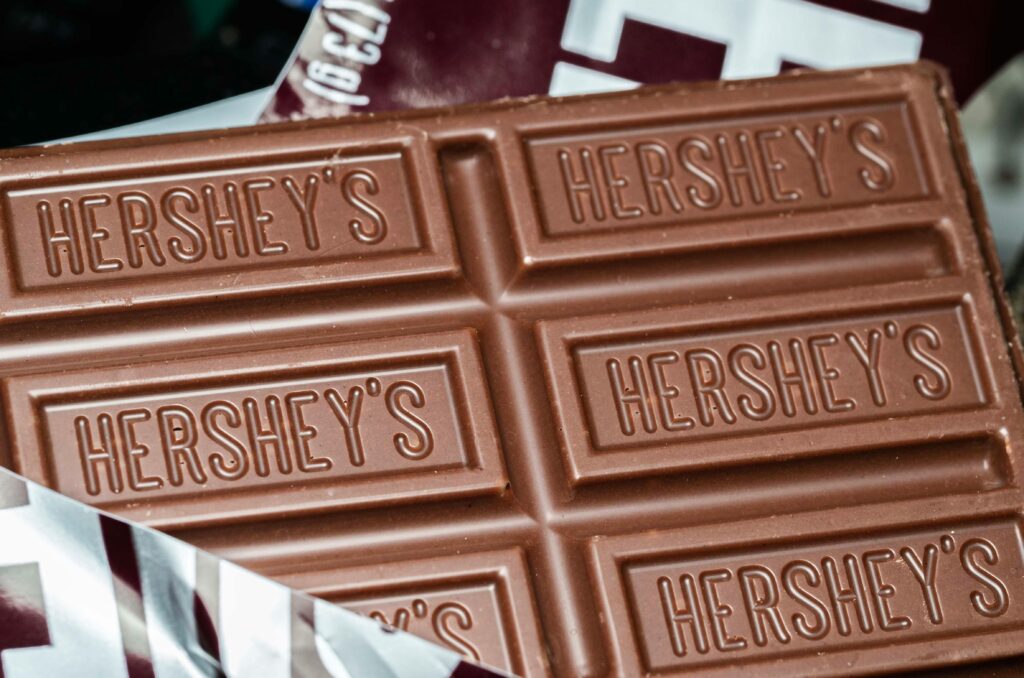
Chocolate, for example, might seem like a good option but it’s not.
Because it’s high in fat, it slows down how quickly sugar enters your bloodstream. That delay can make a low feel worse and last longer.
From experience, this is where frustration kicks in because it feels like nothing is working.
Why You Might Keep Eating During a Hypo
This is something that doesn’t get talked about enough.
When your blood sugar drops quickly, it can feel like you’re losing control. Even after eating carbs, your body still feels off and that can lead to panic eating.
I’ve had moments where I’ve already taken carbs but it still felt like my levels were dropping. Instead of waiting, I kept eating more, just trying to feel better.
That usually leads to:
- Overshooting your blood sugar
- Feeling worse afterwards
- More frustration
Understanding this helps you stay more in control when it happens.
My Go-To Routine (What I Always Carry)
This is the system that works for me.
I always have glucose tablets nearby, no exceptions.
I buy bulk packs and then split them across:
- My work bag
- Gym bag
- Car
- Around the house
For convenience, I refill the smaller tubes so I can carry them easily without taking up space.
This setup means I’m never caught off guard.
And honestly, that peace of mind makes a big difference. Especially in public or work situations where dealing with a hypo can feel uncomfortable.
Related: Managing Energy Around Exercise
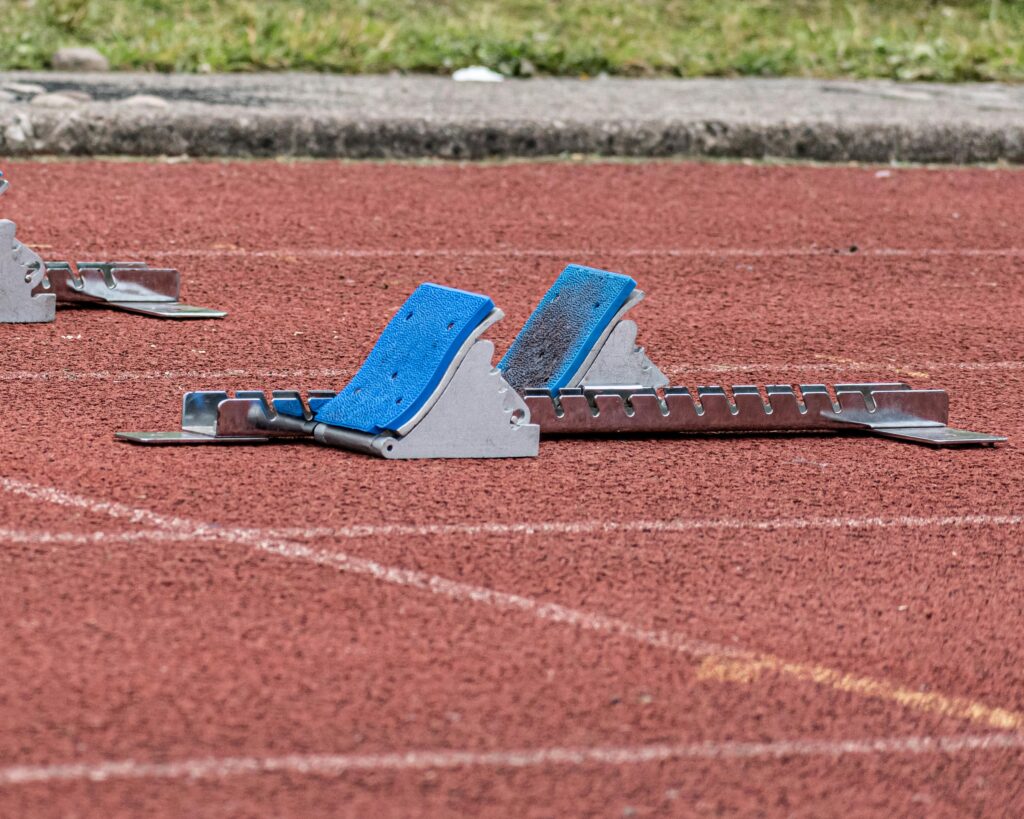
If you’re training regularly, managing blood sugar becomes even more important.
I’ve gone deeper into this in my exercise-focused post. This ties in heavily with avoiding lows during workouts and staying consistent.
For more tips on staying in control during exercise, check out my post on nutrition during workouts
Related: Monitoring Your Blood Sugar More Closely
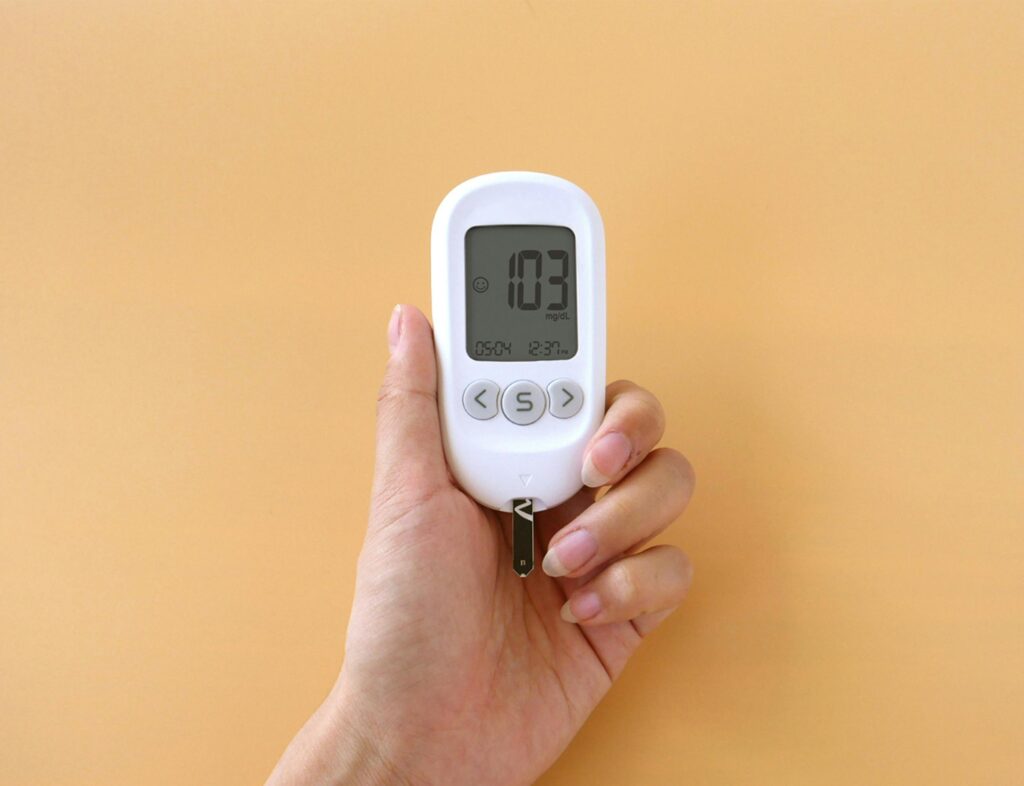
Catching lows early makes everything easier to manage.
Tools like continuous glucose monitors can help you spot trends before things drop too far.
I’ve shared my experience with this here:
(Internal link to Blog 5 here)
Final Thoughts

Low blood sugar is part of life with Type 1 diabetes but how you handle it makes a huge difference.
It can be frustrating, unpredictable and sometimes stressful. Especially when it affects your work, your routine or your diet.
Disclaimer
This is based on my personal experience living with Type 1 diabetes. Always consult your healthcare professional before making changes to your diabetes management.
This blog contains affiliate links which means I may earn a small commission if you make a purchase at no extra cost to you.