

Worried about your child managing type 1 diabetes at school? Learn real-life advice, common mistakes, and how to support them with confidence.
Sending your child to school with type 1 diabetes is one of the hardest things as a parent.
You’re not there to monitor them.
You’re trusting teachers.
And you’re hoping everything goes smoothly.
But here’s the reality:
Most schools don’t fully understand type 1 diabetes
And most children don’t want to stand out or cause a fuss
When I was in school and college, I didn’t have sensors. I relied on finger pricks and to be honest…
There were times I completely ignored my diabetes just so I didn’t have to deal with it.
I would run my blood sugar high on purpose just to avoid the risk of going low and causing attention or panic.
This guide will help you understand what your child might not be telling you and what actually helps.
What Children with Type 1 Diabetes Experience at School
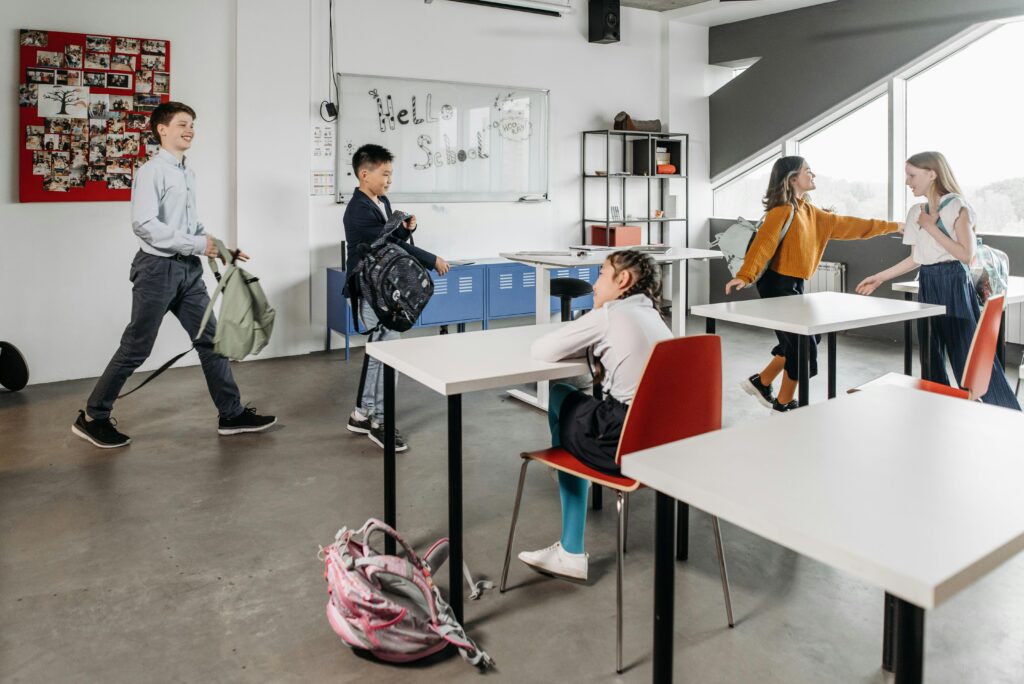
It’s not just about managing blood sugar.
It’s about:
- Feeling different
- Not wanting attention
- Avoiding awkward situations
Many children:
- Skip checks
- Delay insulin
- Stay high to avoid hypos
Not because they don’t care
But because they want to feel normal
The Reality Schools Often Miss

Most teachers are not trained properly.
That leads to:
- Missing signs of low blood sugar
- Not understanding urgency
- Making situations feel awkward
Low blood sugar (hypoglycaemia) can cause confusion, sweating, and behavioural changes (NHS)
Common Mistakes Parents Make

This is where you add value.
1. Not communicating enough with the school
Don’t assume they understand, most don’t.
2. Trusting the system too much
Schools are busy. Your child’s condition needs clear attention.
3. Not preparing your child
Children won’t always speak up.
4. Ignoring the emotional side
This is HUGE.
Children don’t want to feel:
- Different
- Watched
- “Special”
What Parents Should Do Instead
Speak to the school early
Explain:
- Signs of highs and lows
- What to do in emergencies
Create a simple plan
- When to check levels – Creating a routine when to use your CGM
- When to eat and what to eat – Count Your Carbs & Calories with Over 1,700 Food & Drink
- When to take insulin – Timing is key, especially if you have to pre-bolus. It’s important to keep track
Normalise it for your child
Make it feel like:
Just part of life, not a big deal
Prepare for daily situations
- Snacks and hypo treatment ready – Energy gels & Glucose tabs
- Easy access to supplies – Diabetic carry cooler case
- Confidence and to act
Best snacks for low blood sugar
What Schools SHOULD Be Doing
This section is powerful (and shareable)
Schools should:
- Understand signs of highs and lows
- Allow snacks without drawing attention
- Allow extra toilet breaks
- Let children check levels privately if needed
- Avoid making the child feel uncomfortable
Small things make a big difference.
What I Wish My School Knew
- I wasn’t ignoring diabetes because I didn’t care
- I just didn’t want attention
- I didn’t want to feel different
And sometimes:
It felt easier to run high than deal with a low in public
That’s the reality many children won’t say out loud.
Blood Sugar Isn’t Always Predictable

Even with planning, things can go wrong.
Stress
Food
Activity
All affect blood sugar levels.
Disclaimer
This is based on my personal experience living with Type 1 diabetes. Always consult your healthcare professional before making changes to your diabetes management.
This blog contains affiliate links which means I may earn a small commission if you make a purchase at no extra cost to you.