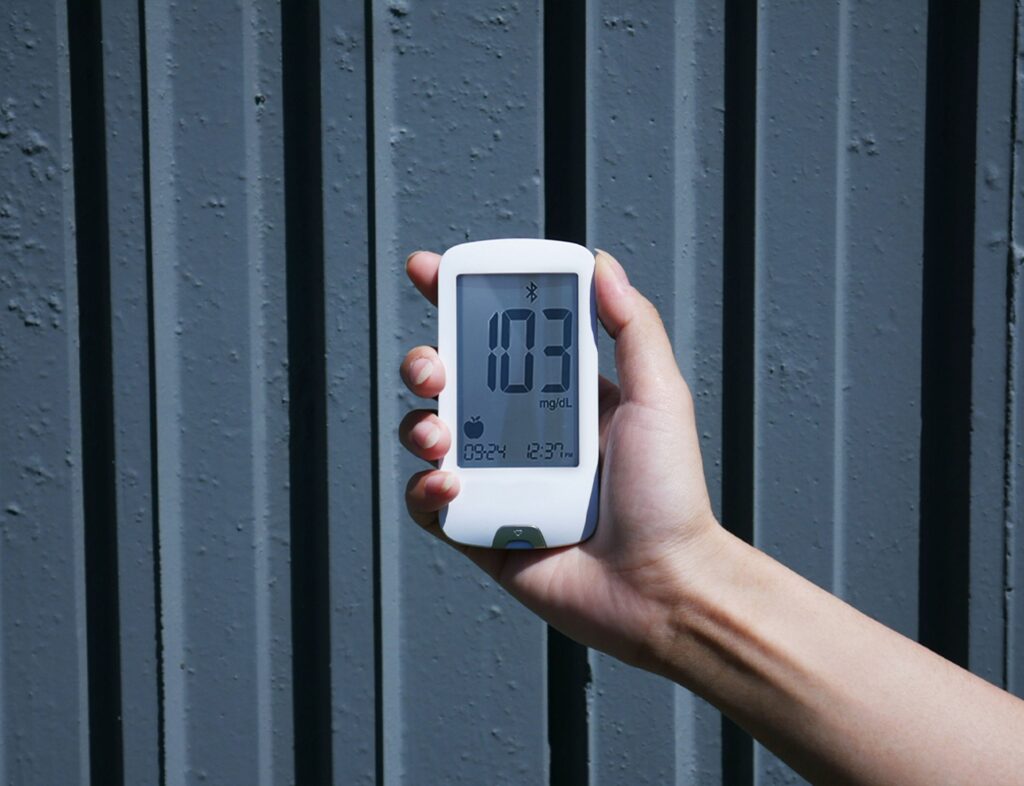
One of the first things I do when something doesn’t feel quite right is check my CGM.
Sometimes I’m surprised by the result.
Other times, I already know what’s coming.
Over the years, I’ve started to recognise certain signs that often mean my blood sugar is running higher than usual.
The tricky part is that these symptoms don’t always appear at the same level, and they can be different for everyone.
Learning to recognise them has helped me catch highs earlier and take action before they become a bigger problem.
1. You’re Constantly Thirsty
One of the biggest signs for me is feeling unusually thirsty.
High blood sugar causes your body to pull more fluid from your tissues, making you feel like you just can’t drink enough.
If you’re reaching for your water bottle more than usual, it’s worth checking your glucose.
2. You’re Going To The Toilet More Often
Drinking more usually means more trips to the toilet.
When blood sugar is high, your kidneys work harder to remove excess glucose through your urine.
It’s one of the most common signs of hyperglycaemia.
3. You Feel More Tired Than Normal
High blood sugar can leave you feeling drained.
Even after a good night’s sleep, I sometimes notice I have less energy when my glucose has been running high for several hours.
Related reading:
Blog – Type 1 Diabetes And Sleep: Why It Matters More Than You Think
4. Dry Mouth
No matter how much you drink, your mouth can still feel dry.
Combined with thirst, this is often a sign that my blood sugar is higher than usual.
5. Blurred Vision
High glucose levels can temporarily affect the shape of the lens inside your eye, making your vision blurry.
If this happens, checking your blood sugar is a good first step.
If blurred vision persists or changes suddenly, seek medical advice promptly.
6. Difficulty Concentrating
Ever felt like your brain just isn’t working properly?
High blood sugar can make it harder to focus, especially during work or when making decisions.
7. Headaches
I don’t always get headaches from high blood sugar, but when I do, it’s usually after my levels have been elevated for a while.
It’s another reminder that prolonged highs affect more than just the number on the screen.

8. You Just Don’t Feel Like Yourself
This one is hard to explain.
Sometimes I simply feel “off.”
Maybe I’m more irritable.
Maybe I feel sluggish.
After living with Type 1 diabetes for years, I’ve learned to trust that feeling and check my glucose rather than ignore it.
Symptoms Can Be Different For Everyone
One thing that’s important to remember is that everyone’s symptoms are different.
Some people experience several of these signs.
Others may have very few symptoms at all, especially if they’re used to running higher blood sugars.
That’s why checking your glucose remains the most reliable way of knowing where you are.
What Helps Me
When I notice any of these signs, I try to:
- Check my Libre rather than guessing.
- Drink plenty of water.
- Think about what may have caused the high.
- Avoid rushing into repeated correction doses without giving insulin time to work.
Related reading:
Blog – Why Your Blood Sugar Is High Even Though You Haven’t Eaten
Products That Help
Helps me stay hydrated throughout the day.
Useful for spotting patterns over time.
Keeps all my supplies in one place.
Frequently Asked Questions
What blood sugar level is considered high?
Your target range should be agreed with your diabetes team, but many adults with Type 1 diabetes consider readings above their target range to be high.
Can you have high blood sugar without symptoms?
Yes. Some people experience very few symptoms, particularly if their blood sugar rises gradually.
Does drinking water lower blood sugar?
Drinking water won’t replace insulin, but staying hydrated can help your body function normally and may help reduce the effects of dehydration.
Should I always confirm my symptoms?
Yes. Symptoms alone aren’t enough to diagnose high blood sugar. Checking your CGM or blood glucose meter gives the most reliable information.
Final Thoughts
Living with Type 1 diabetes has taught me to pay attention to my body.
While symptoms can give useful clues, I never rely on them alone.
Checking my Libre, looking for patterns and making calm decisions has helped me manage high blood sugars with much less stress than when I was first diagnosed.
- NHS guidance on hyperglycaemia symptoms.
- Diabetes UK information on high blood sugar and managing hyperglycaemia.
Disclaimer
This is based on my personal experience living with Type 1 diabetes. Always consult your healthcare professional before making changes to your diabetes management.
This blog contains affiliate links which means I may earn a small commission if you make a purchase at no extra cost to you.