
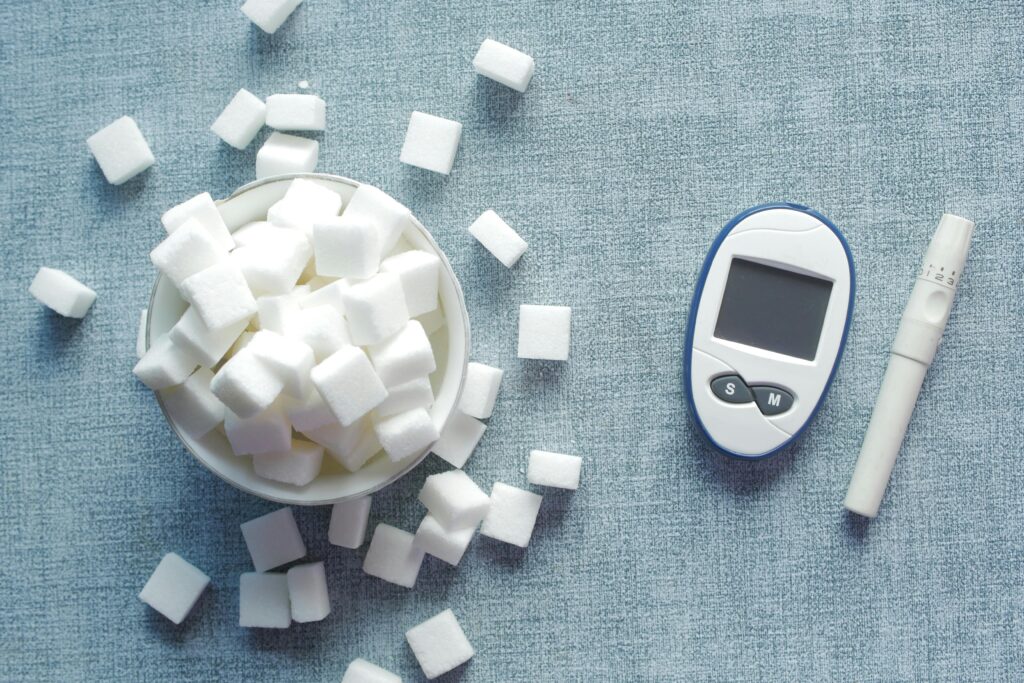
Managing blood sugar levels can be one of the most challenging parts of living with Type 1 Diabetes. Spikes can happen quickly and often lead to a cycle of highs and lows that are difficult to control, not just physically, but mentally. When blood sugar rises unexpectedly, it’s easy to start doubting yourself and questioning your decisions. For example, last night my sugar levels spiked randomly, and I immediately wondered what I had miscalculated. Over time, I’ve learned that keeping things simple, consistent, and controlled makes a big difference. Here are five ways I personally avoid blood sugar spikes.
1. Keeping My Meals Consistent

One of the biggest changes I made was sticking to similar meals throughout the week. By eating consistent types and amounts of carbohydrates, it becomes much easier to predict how my blood sugar will respond. This removes a lot of guesswork and helps avoid unexpected spikes.
I try to avoid junk foods and high-glycemic carbs like white rice. Instead, I focus on meals that are “spike-proof” for me (this is my experience and not medical advice). Typical meals include nuts, eggs, sweet potato, high-protein foods like chicken or salmon, and salads. I also pay attention to certain vegetables that can impact blood sugar differently. Keeping meals predictable helps me feel in control and reduces mental stress around spikes.
2. Avoiding Highly Refined Sugary Foods
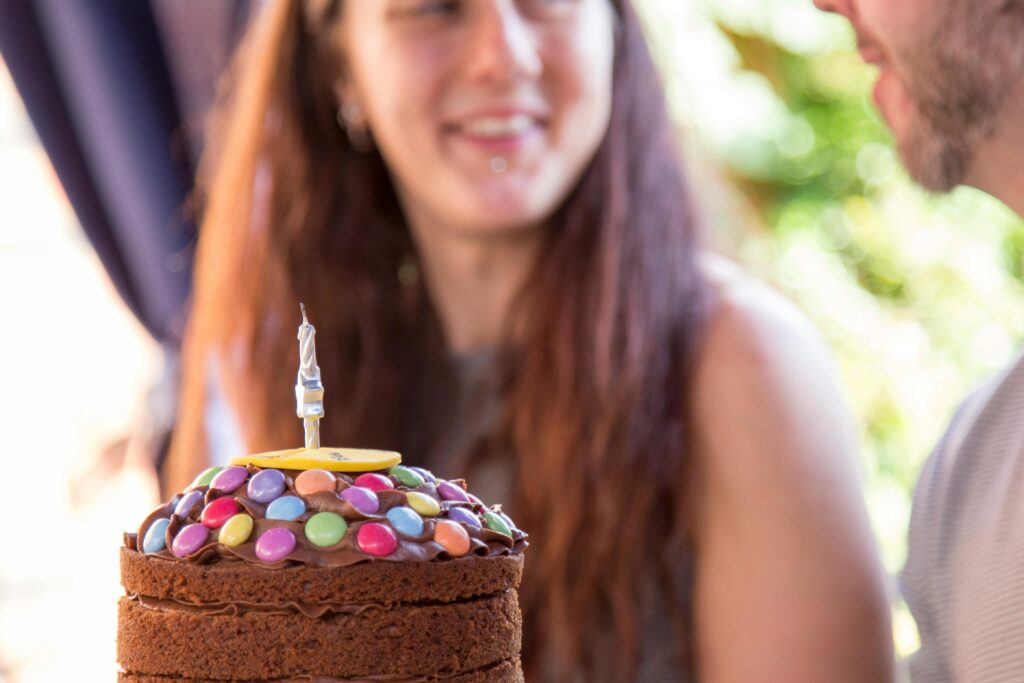
Foods that are high in refined sugar tend to spike blood sugar very quickly. From my experience, these types of foods can lead to sharp increases followed by crashes. Limiting sugary snacks and processed foods has helped me maintain more stable levels throughout the day.
It’s not just about avoiding spikes physically, there’s a mental component too. Eating something sugary and seeing a rapid spike can make you question your carb counting or insulin dosing, which can create stress and uncertainty. Being mindful about sugar keeps both my body and mind calmer.
3. Being Careful with Foods Like White Rice and Pasta
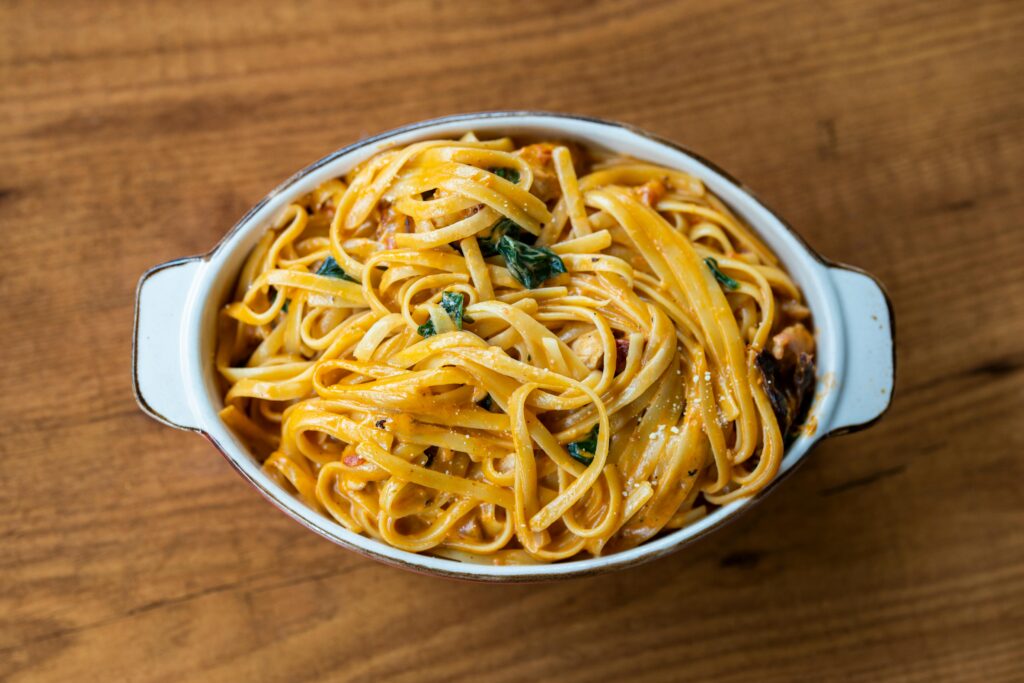
Carbohydrate heavy foods such as white rice and pasta can cause noticeable spikes if not managed properly. I’ve found that portion control and timing are key when eating these foods. Pairing carbs with protein or fats helps slow down how quickly glucose enters the bloodstream.
Another important factor is timing insulin correctly. I always try to follow the recommended time for insulin to kick in before eating, and I adjust based on whether I’m eating fast digesting carbs or slower ones. Over time, paying attention to timing and portion control has prevented many unexpected spikes.
4. Monitoring Blood Sugar More Frequently

One of the simplest but most effective habits is checking blood sugar more often. I use the Freestyle Libre 2 Plus CGM, which allows me to track patterns throughout the day. However, technology isn’t perfect, sometimes the readings can lag slightly. If I feel something is off, I double-check with a finger prick test.
Being proactive is key. Monitoring more frequently around meals, workouts, or trying new foods allows me to react quickly and prevent levels from getting too high. Exercise also plays a huge role: walking and weight training tend to keep my sugar stable, while cardio can cause rapid drops. I adjust insulin doses and monitor more closely during intense activity.
5. Keeping Things Simple and Predictable
For me, one of the biggest lessons has been to keep things simple. Eating similar meals, following a routine, and avoiding unnecessary changes helps reduce the chances of unexpected spikes. Consistency in both meals and habits creates predictability, which is invaluable for managing Type 1 Diabetes.
I also try to anticipate how my body will respond. One bad meal can trigger a spike, which might lead to overcorrecting with insulin and cause another cycle of highs and lows. Thinking ahead about my next move, staying aware of patterns, and listening to my body has made a huge difference in both physical and mental stability.
Final Thoughts
Avoiding blood sugar spikes with Type 1 Diabetes isn’t about being perfect, it’s about building habits that work consistently over time. By keeping meals simple, monitoring regularly, being mindful about carbs, and adjusting for activity, it’s possible to reduce spikes and feel more in control.
The mental side is just as important as the physical. Spikes can make you doubt yourself, but having predictable routines, reliable monitoring, and a clear plan can keep your confidence steady. Living with Type 1 Diabetes is a learning process, and small, consistent habits make the biggest difference.