
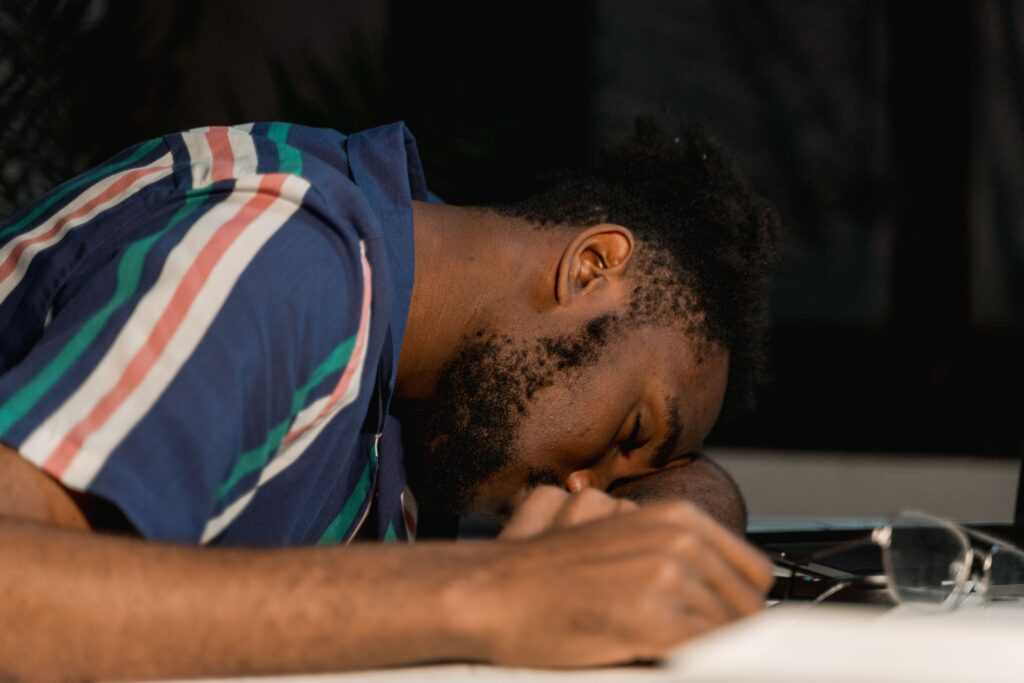
When people talk about managing Type 1 diabetes, the focus is usually on:
- insulin
- carbohydrates
- exercise
- blood sugar levels
Sleep rarely gets mentioned.
For a long time, I didn’t think much about it either.
But the more I paid attention to my blood sugars, the more I realised that a bad night’s sleep often seemed to show up on my Libre the next day.
Sleep doesn’t replace good diabetes management.
But it can have a surprisingly big impact on how predictable your blood sugars feel.
Why Sleep Matters
Sleep is when your body recovers and resets.
During sleep, your body regulates:
- hormones
- energy levels
- appetite
- insulin sensitivity
When sleep quality suffers, these systems don’t always work as efficiently.
As a result, blood sugar management can become more challenging.
Poor Sleep And Insulin Sensitivity
One reason sleep matters is its effect on insulin sensitivity.
Research has shown that poor sleep may reduce the body’s ability to respond to insulin effectively.
This means you may notice:
- higher blood sugars
- more unpredictable readings
- increased insulin requirements
Even when your meals and insulin doses stay the same.
The Stress Connection
Most people know stress can affect blood sugar.
What many people don’t realise is that poor sleep can increase stress hormones such as cortisol.
Higher cortisol levels may contribute to elevated blood sugar levels.
This can sometimes create a frustrating cycle:
Poor sleep
↓
Higher stress
↓
Less predictable blood sugars
↓
More stress
↓
Poor sleep
Related reading:
Blog – How Stress Affects Blood Sugar Levels And How To Control It

Sleep And The Dawn Phenomenon
Sleep can also influence how you experience morning blood sugar levels.
Many people with Type 1 diabetes notice blood sugar rising in the early hours of the morning due to hormonal changes.
This is known as the dawn phenomenon.
If you’ve ever gone to bed in range and woken up unexpectedly high, this may be part of the reason.
Related reading:
Blog – Why Is My Blood Sugar Higher In The Morning?
Night-Time Blood Sugar Worries
Let’s be honest.
Living with Type 1 diabetes can sometimes make sleep harder.
Many people worry about:
- overnight lows
- sensor alarms
- waking up high
- forgetting insulin
Even when you’re asleep, diabetes can still be sitting in the back of your mind.
That’s one reason many people describe Type 1 diabetes as mentally exhausting as well as physically demanding.
Related reading:
Blog – The Mental Side Of Type 1 Diabetes Nobody Talks About Enough
Simple Habits That May Help
You don’t need a perfect bedtime routine.
But small habits can make a difference.
Keep A Consistent Sleep Schedule
Going to bed and waking up at similar times may help support better sleep quality.
Reduce Screen Time Before Bed
Many people find it easier to fall asleep when they spend less time looking at phones or tablets before bed.
Keep Hypo Supplies Nearby
Having glucose tablets or snacks nearby can provide peace of mind.
Related reading:
Blog – Best Low Blood Sugar Snacks To Keep In Your Car, Bag Or Bedside
Stay Hydrated
Good hydration supports overall health and can help you feel better throughout the day.
Products That May Help
These won’t magically improve blood sugar levels, but they may help support better sleep habits.
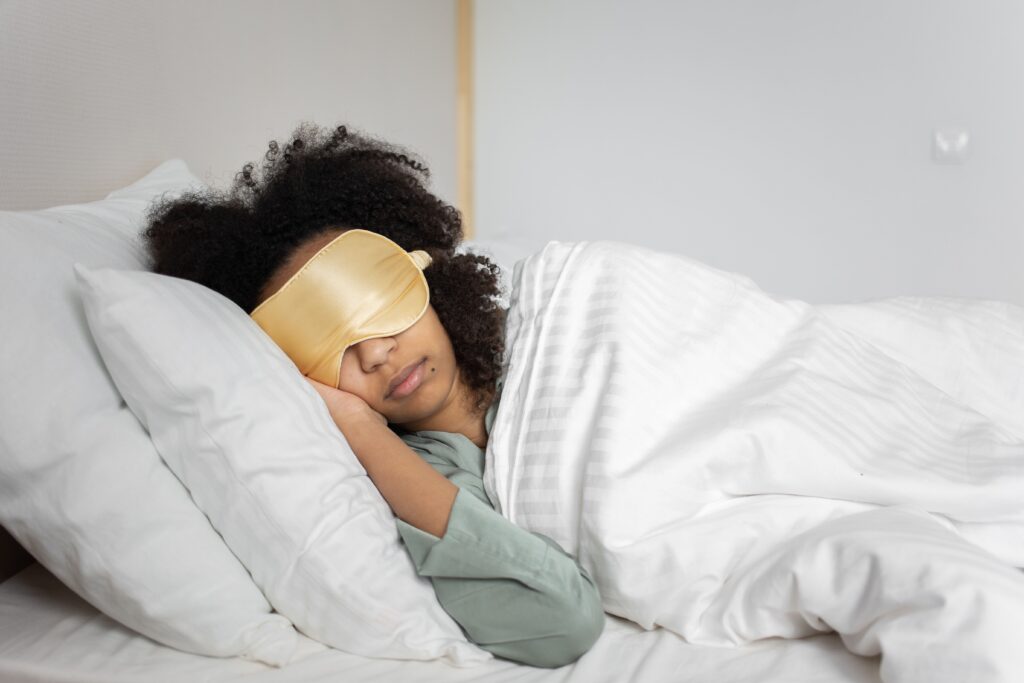
Useful if light affects your sleep.
Many people find background noise helps them sleep more consistently.
Helpful for keeping diabetes supplies close by.
Frequently Asked Questions
Can poor sleep raise blood sugar?
Yes.
Research suggests poor sleep can reduce insulin sensitivity and make blood sugar management more difficult.
Can lack of sleep affect insulin requirements?
It can.
Some people notice they need more insulin after poor sleep.
Does sleep affect the dawn phenomenon?
Sleep and hormone regulation are closely connected, although many factors influence morning blood sugar levels.
How much sleep should someone with Type 1 diabetes get?
The general recommendation for adults is usually around 7–9 hours per night.
Final Thoughts
When I think about blood sugar management now, I don’t just think about insulin and food.
I also think about:
- sleep
- stress
- routine
- recovery
None of these things guarantee perfect blood sugars.
But they can make diabetes feel a little more predictable.
Sleep might not be the most exciting part of Type 1 diabetes management.
Yet it could be one of the most overlooked.
Sometimes improving your blood sugars starts with something as simple as getting a better night’s sleep.
Disclaimer
This is based on my personal experience living with Type 1 diabetes. Always consult your healthcare professional before making changes to your diabetes management.
This blog contains affiliate links which means I may earn a small commission if you make a purchase at no extra cost to you.
This article is based on my personal experience living with Type 1 diabetes. Always consult your healthcare professional before making changes to your routine.